The Benefits of Partnering with a Local Carbon Steel Distributor
Understanding Carbon Steel and Its Varieties
What is Carbon Steel?
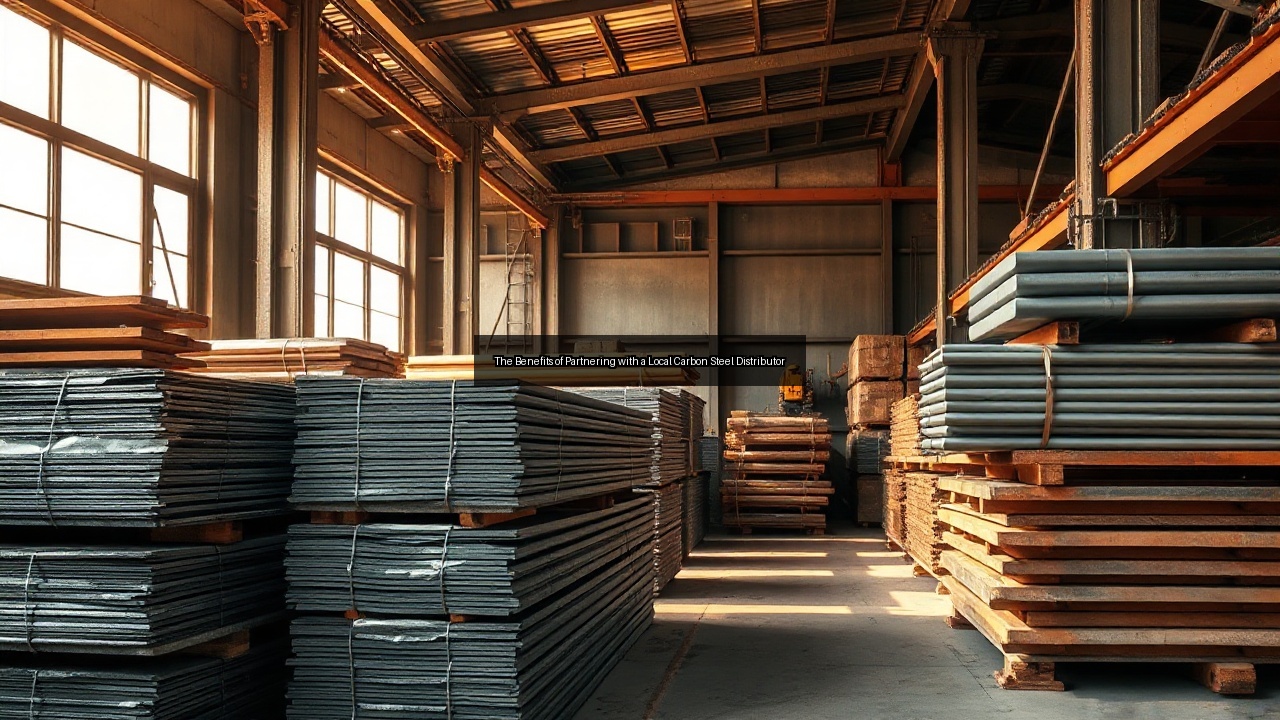
Carbon steel forms the backbone of countless industrial applications because it combines iron with controlled amounts of carbon to deliver strength and versatility. Manufacturers produce this material by adjusting carbon levels during melting, which directly influences hardness, ductility, and weldability. A reliable carbon steel distributor stocks grades that meet exact project specifications, ensuring fabricators receive consistent quality for everything from structural beams to precision components. Unlike stainless steel or alloy steel, carbon steel relies primarily on carbon content rather than additional elements for its core properties. This simplicity allows mills to scale production efficiently while keeping costs competitive. Local suppliers often maintain large inventories of sheet, plate, and steel pipe so construction crews avoid delays when sourcing material for infrastructure upgrades or new builds.
Types of Carbon Steel: Low, Medium, and High Carbon
Low carbon steel contains less than 0.30 percent carbon and offers excellent formability, making it ideal for automotive panels and welded tubing. Medium carbon steel sits between 0.30 and 0.60 percent carbon, striking a balance between toughness and machinability that suits shafts, gears, and railway tracks. High carbon steel exceeds 0.60 percent carbon and delivers superior hardness for cutting tools and springs, though it requires careful heat treatment to prevent brittleness. A knowledgeable carbon steel distributor guides buyers toward the right grade by matching mechanical requirements with end-use demands. Stocking all three categories under one roof lets fabricators consolidate orders and reduce lead times on mixed projects involving both ductile sheet and wear-resistant bar stock.
Alloy Steel vs. Carbon Steel: Key Differences
Alloy steel incorporates elements such as chromium, nickel, or molybdenum to enhance corrosion resistance and high-temperature performance, whereas carbon steel achieves its characteristics mainly through carbon percentage. This distinction matters when engineers specify materials for pipelines exposed to harsh chemicals or structures that must withstand extreme loads without added cost. Carbon steel remains the economical choice for most construction and infrastructure work because it welds easily and responds predictably to standard fabrication processes. A local carbon steel distributor maintains deep inventories of both plain carbon and select alloy grades, allowing project managers to compare options quickly without waiting for distant mills to ship small quantities.
The Role of Local Carbon Steel Distributors
Importance of Local Distribution in the Steel Industry
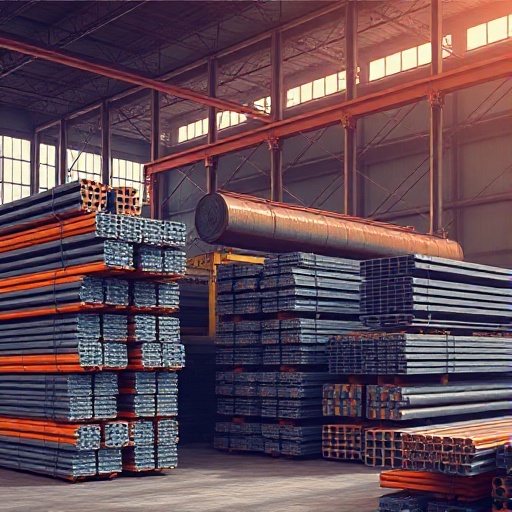
Local distribution networks keep the steel supply chain responsive to regional demand spikes driven by construction booms or infrastructure repairs. When mills produce steel in large heats, distributors break bulk orders into manageable lots that reach job sites faster than direct mill shipments. This proximity reduces transportation emissions and inventory holding costs for fabricators who cannot afford warehouse space. A carbon steel distributor that operates within the same metropolitan area understands local building codes and weather-related material handling requirements, translating that knowledge into tailored recommendations that prevent costly rework.
How Local Distributors Support Construction Projects
Construction timelines hinge on timely delivery of steel pipe, sheet, and structural shapes. Local distributors stage material at regional yards and dispatch it via short-haul trucks that navigate city traffic more reliably than long-distance carriers. They also provide just-in-time cutting and bundling services so crews receive ready-to-install lengths rather than full mill bundles that require additional handling. During peak seasons, these relationships prevent bottlenecks that could stall bridge repairs or commercial building frames. Project superintendents count on the distributor’s knowledge of regional mill schedules to forecast availability weeks ahead.
The Benefits of Choosing a Local Distributor for Carbon Steel Products
Partnering with a nearby carbon steel distributor yields shorter lead times, lower freight expenses, and direct access to technical support. Fabricators avoid the uncertainty of cross-country trucking schedules and gain the ability to inspect material in person before committing to large purchases. Local teams often maintain stronger ties with regional mills, securing allocations during tight supply periods that national suppliers might miss. This reliability proves especially valuable when projects involve mixed orders of low carbon steel sheet and high carbon steel bar that must arrive together for sequenced installation.
Advantages of Partnering with a Local Carbon Steel Distributor
Access to a Wide Range of Carbon Steel Products
A well-established carbon steel distributor carries plate, coil, sheet, bar, and steel pipe across multiple grades and finishes. Buyers can source everything from thin low carbon steel for HVAC ductwork to thick high carbon steel plate for heavy equipment bases without splitting orders among several vendors. Many also stock complementary metals such as stainless steel and alloy steel, enabling one-stop procurement that simplifies purchasing and reduces administrative overhead. Inventory updates arrive daily, reflecting real-time mill output so customers always know what remains in stock for immediate pickup or next-day delivery.
Faster Delivery and Transportation Solutions
Shortened transit distances translate into same-day or next-day arrivals for urgent needs. Local fleets equipped with flatbeds and forklifts handle oversized loads that standard parcel services cannot manage. Distributors coordinate with rail sidings when volume justifies it, yet retain flexibility to reroute trucks around weather delays that plague longer hauls. This agility keeps construction schedules intact even when last-minute design changes require different steel pipe diameters or additional sheet tonnage.
Personalized Customer Service and Support
Account representatives at local firms learn each client’s preferred grades and typical order patterns, allowing proactive suggestions when mill prices shift. They provide material test reports on request and assist with grade substitutions that maintain structural integrity while cutting costs. Technical staff visit job sites to review weld procedures or advise on corrosion protection for exposed infrastructure elements. Such hands-on involvement builds trust that distant call centers rarely replicate.
Sustainable Practices in Carbon Steel Distribution
The Environmental Impact of Carbon Steel Production
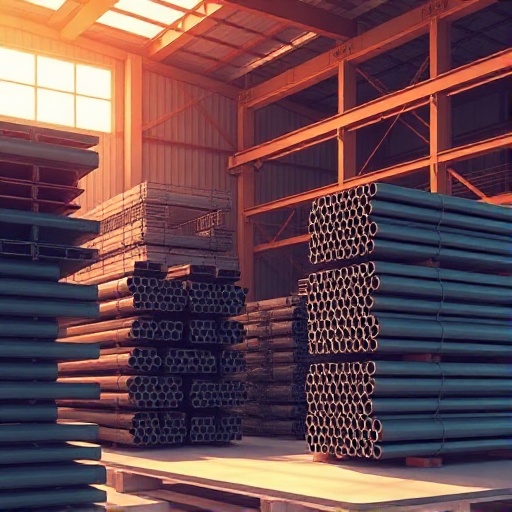
Steel manufacturing consumes significant energy and generates carbon emissions during reduction and rolling stages. Mills have reduced their footprint through electric arc furnaces that recycle scrap, yet transportation from distant facilities still adds emissions. Local distributors mitigate part of this impact by consolidating loads and minimizing empty backhauls. They also educate customers on specifying low carbon steel where mechanical properties allow, supporting broader decarbonization goals without sacrificing performance.
How Local Distributors Promote Sustainable Sourcing
Regional carbon steel distributors partner with mills that publish verified environmental product declarations and prioritize recycled content. They track material origins to confirm compliance with responsible mining standards and offer take-back programs for offcuts that return to the scrap supply loop. By keeping inventory turns high, these suppliers reduce the need for excess stockpiling that wastes resources. Customers benefit from documented chain-of-custody records that support LEED or other green building certifications on infrastructure projects.
Innovations in Low Carbon Steel and Eco-Friendly Options
Advances in alloy design now allow low carbon steel grades to achieve strength levels once reserved for higher-carbon or alloy steel varieties. Distributors introduce these options to engineers seeking to lower embodied carbon in buildings and bridges. Some yards also carry coated products that extend service life, reducing replacement frequency and overall material consumption. Continuous dialogue with mills keeps local suppliers at the forefront of these developments so fabricators gain early access to improved grades.
Choosing the Right Carbon Steel Distributor
What to Look for in a Carbon Steel Supplier
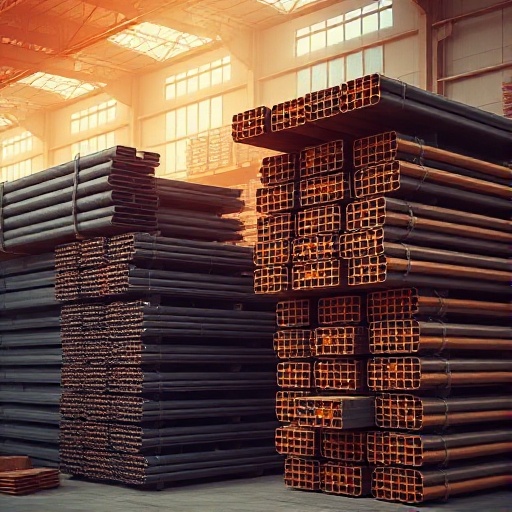
Evaluate inventory breadth, delivery reliability, and technical expertise before signing agreements. A capable carbon steel distributor maintains certifications such as ISO 9001 and provides mill test reports with every shipment. Geographic proximity matters, yet so does financial stability that ensures continued supply during market volatility. Review customer references from similar construction or fabrication projects to confirm consistent performance under deadline pressure.
Evaluating the Quality of Carbon Steel Products
Inspect chemical composition and mechanical test data against project specifications. Reputable distributors allow buyers to verify surface condition on sheet and plate before loading. They also maintain traceability from heat number through final delivery, enabling rapid root-cause analysis if any issue arises during fabrication. Quality extends beyond the mill to include proper storage that prevents rust and damage during staging at the yard.
Questions to Ask Your Potential Distributor
Inquire about typical lead times for common grades, minimum order quantities, and policies for returns or substitutions. Ask how the carbon steel distributor handles rush orders during peak construction seasons and whether they offer value-added services such as cutting or drilling. Request details on sustainability reporting and any programs that reward repeat customers with priority allocation. Clear answers to these questions reveal operational maturity and commitment to long-term partnerships that benefit both parties.