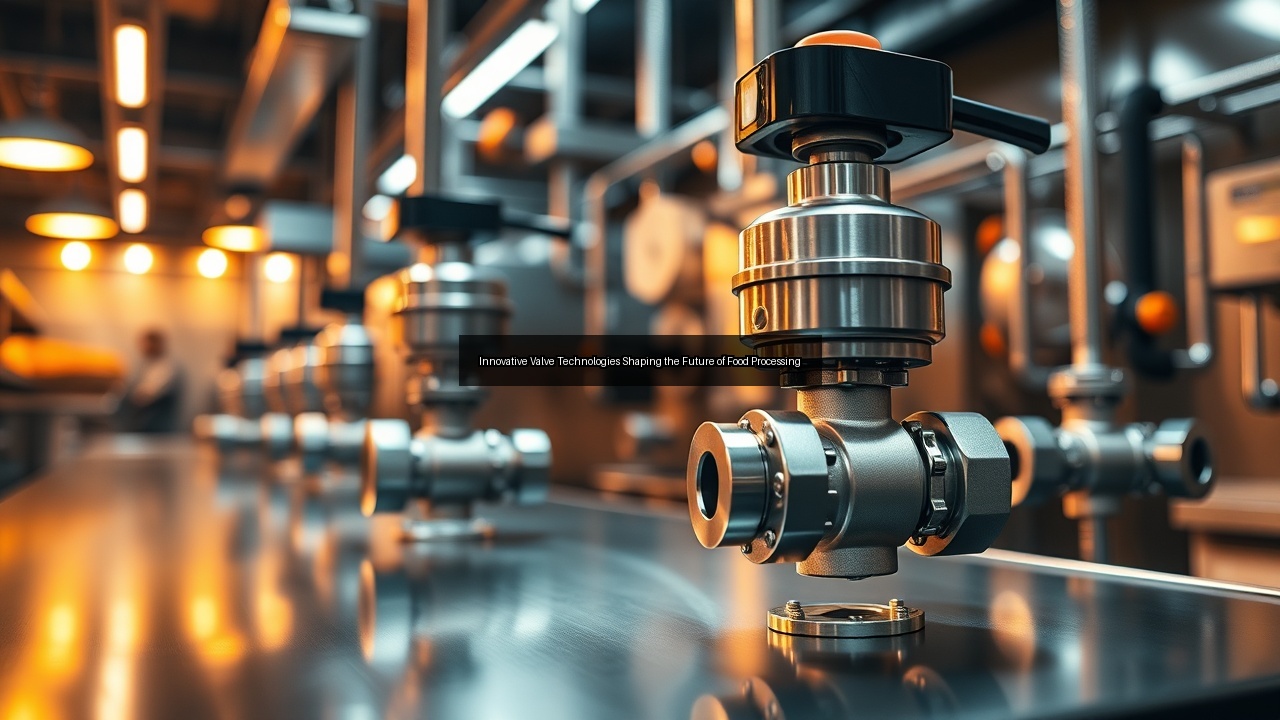
Innovative Valve Technologies Shaping the Future of Food Processing
The Role of Valves in Food Processing
Understanding Food Processing Valves
Valves for food processing play a critical role in controlling the flow of fluids across various stages of production. They regulate the movement of liquids and gases, ensuring that the right amounts of ingredients mix effectively and safely. The design and functionality of these valves must cater specifically to the food and beverage industry’s stringent valves used in food processing requirements. Hygiene, reliability, and efficiency are paramount. Food processing valves must prevent contamination and allow for easy cleaning, which is essential in maintaining food safety standards. Additionally, these valves must withstand the pressures and temperatures associated with food production processes, ensuring durability and longevity.
Types of Valves Used in Food and Beverage Applications
The food processing industry utilizes several types of valves, each designed for specific applications. Common types include ball valves, check valves, and safety relief valves. Ball valves are favored for their ability to provide a tight seal and quick shut-off, making them ideal for controlling the flow of liquids in processing lines. Check valves, on the other hand, allow fluid to flow in one direction, preventing backflow and ensuring efficiency in pipelines. Safety relief valves are crucial for protecting equipment from overpressure situations, thus safeguarding both the process and the personnel involved. Understanding these types of valves and their specific applications enhances operational effectiveness and safety in the food and beverage sectors.
Importance of Sanitary Design in Valves
Sanitary design in valves for food processing is non-negotiable. The risk of contamination in food production can have dire consequences, from spoilage to serious health risks. Sanitary valves are engineered to minimize crevices and dead spots where bacteria can thrive. They often feature smooth surfaces that allow for easy cleaning and maintenance. In the food and beverage industry, compliance with regulations such as those set by the FDA is essential. These regulations dictate that all equipment, including valves, must meet specific sanitary standards to ensure food safety. Manufacturers increasingly prioritize sanitary designs in their valve offerings, recognizing the importance of hygiene in food processing. valve for food processing
Innovations in Valve Technologies
Automated Control Valves: Enhancing Efficiency
Automated control valves revolutionize the food processing landscape by enhancing efficiency and precision. valves used in food processing These valves integrate seamlessly with automated systems, allowing for real-time adjustments based on production requirements. This technology minimizes human error and optimizes fluid control, which is crucial in maintaining product consistency and quality. Automated systems can monitor variables like pressure, temperature, and flow rate, adjusting the operation of valves accordingly. This level of control is particularly beneficial in large-scale food and beverage operations, where slight variations can lead to significant disparities in product quality. As the food processing industry continues to embrace automation, the role of automated control valves will only expand.
Ball Valves vs. Check Valves: Choosing the Right Solution
When selecting valves for food processing, the choice between ball valves and check valves depends on specific operational needs. Ball valves offer excellent control over fluid flow, making them ideal for applications that require quick shut-off and isolation. They provide minimal resistance to flow, ensuring efficient operation. In contrast, check valves are designed primarily to prevent backflow, safeguarding the integrity of the process. Understanding the unique functionalities of these valves is essential for food processors aiming to optimize their systems. Choosing the right valve can prevent costly downtime, ensure compliance with safety regulations, and maintain product quality in the food and beverage industry.
Safety Relief Valves: Protecting Your Operation
Safety relief valves serve as a crucial line of defense in food processing operations. These valves automatically release pressure when it exceeds predetermined levels, preventing catastrophic failures in equipment and ensuring the safety of personnel. In the food and beverage industry, where processes often involve high-pressure steam or hot liquids, these valves are indispensable. Their proper installation and maintenance are vital for compliance with safety regulations and standards, including those set by the FDA. Regular inspections and testing of safety relief valves help maintain their effectiveness, safeguarding not just the equipment but also the overall production process.
Applications of Valves in the Food and Beverage Industry
Fluid Control in Food Packaging
Fluid control plays a significant role in food packaging processes. Valves help manage the flow of various substances, from liquids to gases, ensuring that products are packaged efficiently and safely. In bottling plants, for example, valves regulate the filling process, preventing spillage and waste. Properly functioning valves ensure consistent product quality, which is vital for consumer satisfaction. Additionally, the packaging process often requires compliance with stringent regulations, making the choice of suitable valves essential. By integrating advanced valve technologies, food processors can streamline operations, reduce costs, and enhance the overall efficiency of their packaging systems.
Baked Goods and Confectionery: Specialized Valve Needs
The baked goods and confectionery sectors have unique valve requirements due to the diverse range of ingredients used and the varying production processes involved. For instance, dough mixing machines may require specialized valves that can handle thick, viscous materials without clogging. Similarly, confectionery production often involves high temperatures and sugary substances, necessitating valves that can withstand these conditions while maintaining sanitary standards. Understanding these specialized needs ensures that food processors can select the most suitable valves for their operations, leading to improved product quality and consistency.
Ensuring Compliance with FDA Regulations
Compliance with FDA regulations is a critical aspect of the food processing industry. Valves used in food applications must meet stringent safety and sanitary standards to ensure that the products are safe for consumption. Regular inspections, documentation, and adherence to guidelines ensure that food manufacturers maintain compliance. Using valves specifically designed for food processing can help businesses navigate these regulations more effectively. Manufacturers that prioritize FDA-compliant valves not only ensure product safety but also build consumer trust and enhance their brand reputation in the competitive food and beverage market.
Future Trends in Food Processing Valves
Integration of IoT in Valve Systems
The integration of the Internet of Things (IoT) into valve systems marks a significant trend in food processing. Smart valves equipped with sensors can provide real-time data on flow rates, pressure, and temperature, allowing operators to make informed decisions. This connectivity enhances predictive maintenance, reducing downtime and optimizing performance. IoT-enabled valves also facilitate better tracking of food safety compliance, as data can be logged and analyzed to ensure adherence to regulatory standards. As the food processing industry continues to innovate, the adoption of IoT technologies will play a vital role in enhancing operational efficiency and product safety.
Sustainable Materials for Food Processing Valves
Sustainability has become a focal point in the food processing industry. The demand for eco-friendly materials in valve manufacturing is on the rise. Manufacturers are exploring alternatives that reduce environmental impact without compromising safety or performance. Biodegradable materials and recyclable metals are gaining popularity as food processors seek ways to minimize waste. By opting for sustainable materials, companies not only contribute to environmental conservation but also appeal to a growing consumer base that prioritizes eco-conscious practices. This trend towards sustainability in valve design reflects the industry's broader commitment to responsible production.
The Impact of Advanced Automation on Valve Performance
Advanced automation technologies are transforming valve performance in food processing. Automated systems streamline operations, enhance precision, and reduce human error. As automation becomes more sophisticated, valves must adapt to handle increased complexity and provide reliable performance under varying conditions. This evolution includes the development of smart valves that can communicate with other components in the production line, ensuring seamless integration and optimized workflow. The impact of advanced automation on valve performance will shape the future of the food processing industry, driving improvements in efficiency, safety, and product quality.
See Also
- The Impact of Valve Design on Food Quality and Safety
- From Baked Goods to Beverages Understanding Valves in Food Processing Applications
- Revolutionizing Food Safety with Advanced Valves for Processing
- Valves for Confectionery Production - What You Need to Know
- Safety Relief Valves and Their Critical Role in Food Processing