How to Maintain Your HVAC Blower Housing for Longevity
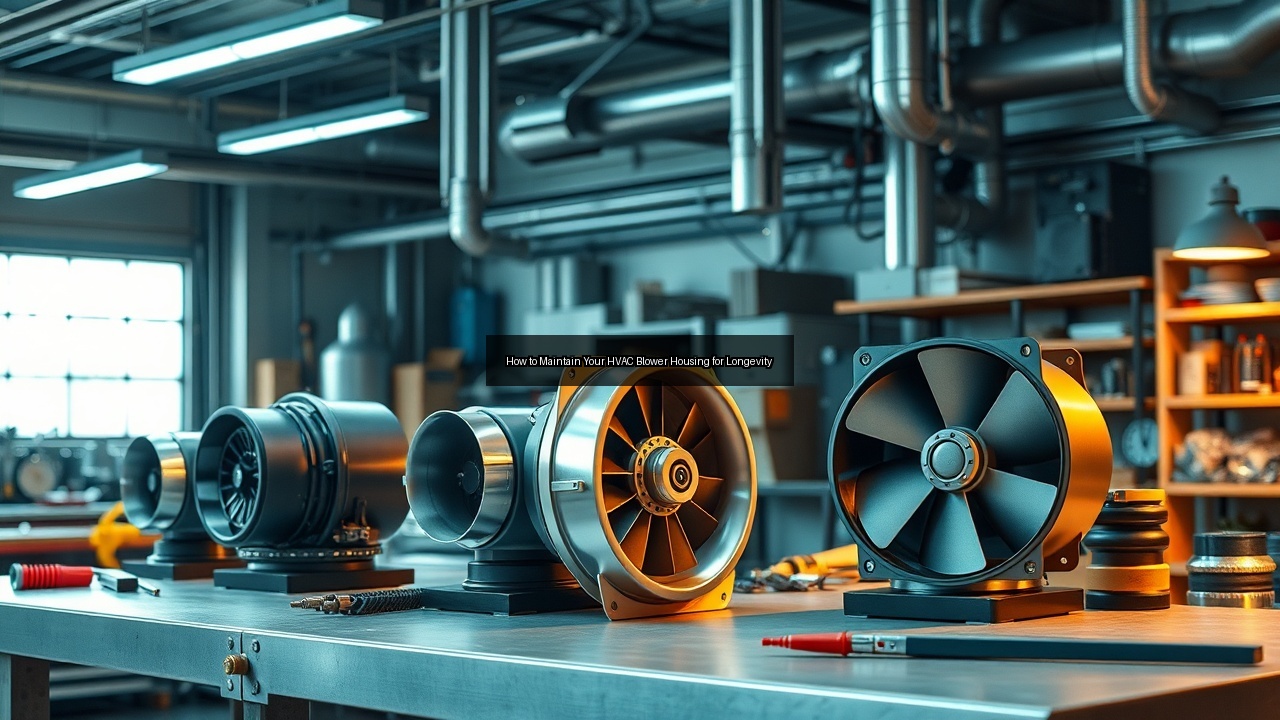
Understanding the Importance of HVAC Blower Housing
Role of HVAC Blower in System Efficiency
The HVAC blower plays a pivotal role in maintaining the overall efficiency of heating, ventilation, and air conditioning systems. It facilitates the circulation of conditioned air throughout the space, ensuring that every corner receives adequate heating or cooling. Proper airflow directly impacts the performance of both the furnace and the air conditioner. When the HVAC blower housing is functioning optimally, it not only enhances comfort levels but also reduces energy consumption. Efficient blowers help the system run smoothly, cutting down on wear and tear while prolonging the lifespan of HVAC components. Ensuring your blower fans operate effectively means that your HVAC system can achieve its intended performance without unnecessary strain.
Common Issues with Blower Housing
Blower housing can face various issues that hinder its performance. Dust and debris accumulation often obstruct airflow, leading to overheating and reduced efficiency. Additionally, wear and tear on components like ball bearings can introduce noise and vibration, indicating potential failure. Cracks or damage to the blower housing itself can create leaks, further disrupting airflow and decreasing system efficiency. Regular inspections are essential to detect these problems early. Ignoring minor issues can escalate into major repairs, resulting in costly downtime for your HVAC system. Maintaining the integrity of blower housing is crucial for preventing these common pitfalls and ensuring optimal operation.
Impact of Blower Housing on HVAC Longevity
The longevity of HVAC systems heavily relies on the condition of the blower housing. A well-maintained blower housing supports efficient airflow, which minimizes unnecessary stress on the furnace and air conditioner. Conversely, neglecting maintenance can lead to overheating and premature failure of the blower motor. A compromised blower housing can also affect the air filter, leading to increased dirt and debris flow into the system, which can further shorten its lifespan. Regular maintenance of blower fans and housing not only enhances performance but also extends the overall life of the HVAC system. By investing time in upkeep, homeowners can avoid expensive repairs and replacements down the line.
Routine Maintenance for Optimal Performance
Regular Inspection of Blower Fans
Regular inspection of blower fans is essential for sustaining HVAC efficiency. Start by checking for any visible obstructions that could hinder fan operation. Listen for unusual noises that may indicate issues with the blower motor or bearings. Inspect the fan blades for signs of wear or damage, as even minor issues can lead to significant inefficiencies. Additionally, ensure that the blower fans are free of dust and debris, which can cause imbalance and further strain the system. Scheduling inspections at least twice a year, ideally before the peak heating or cooling seasons, ensures that any potential problems are caught early. This proactive approach not only enhances performance but also prevents unexpected breakdowns.
Cleaning the Blower Housing and Cage
Cleaning the blower housing and cage is a straightforward yet crucial maintenance task. Over time, dust and dirt accumulate within the blower housing, obstructing airflow and reducing system efficiency. Begin the cleaning process by turning off the power to the HVAC system. Remove the blower housing cover to access the blower fans and cage. Use a soft brush or vacuum to remove any debris gently. For stubborn dirt, a damp cloth can help, but avoid using excessive moisture, as this can lead to mold growth. Regular cleaning helps maintain optimal airflow and reduces the risk of overheating. Ensuring a clean blower housing also promotes better indoor air quality, benefiting overall health and comfort.
Checking and Replacing Air Filters
Air filters play a critical role in the performance of HVAC systems, directly affecting blower housing efficiency. Clogged filters restrict airflow, which in turn places additional strain on both the blower fans and the HVAC system as a whole. Homeowners should check air filters monthly, replacing them as needed—typically every 1 to 3 months, depending on usage and filter type. High-efficiency particulate air (HEPA) filters are recommended for superior filtration but require regular monitoring. Clean filters not only enhance airflow but also improve indoor air quality by trapping pollutants and allergens. Regularly replacing air filters is a simple yet effective way to ensure the blower housing and the entire HVAC system operate at peak performance.
Identifying Signs of Wear and Tear
Symptoms of a Failing Blower Motor
A failing blower motor can manifest through several telltale symptoms. Homeowners may notice reduced airflow or strange noises emanating from the HVAC unit. Increased energy bills can also signal that the system is working harder than it should, often due to a struggling blower. If you experience intermittent operation or the blower fails to start altogether, it may be time to inspect the motor and its housing. Ignoring these warning signs can lead to complete motor failure, resulting in costly repairs. Addressing blower motor issues promptly ensures that the HVAC system continues to function efficiently, maintaining comfort blower housing assembly levels and minimizing energy consumption.
Understanding Ball Bearing Wear
Ball bearings in the blower assembly play a crucial role in ensuring smooth operation. Over time, these bearings can wear down, leading to increased friction, noise, and vibration. Homeowners should periodically check for any unusual sounds, as these can indicate that the ball bearings are nearing the end of their lifespan. If the blower housing starts to vibrate excessively, it may signal that the bearings require lubrication or replacement. Neglecting ball bearing wear can lead to a complete motor failure, necessitating costly repairs. Regularly inspecting and maintaining these components can prevent such issues, ensuring the longevity of your HVAC system.
Feedback from Users: When to Seek Professional Help
User feedback often provides crucial insights into when professional help is necessary. If homeowners notice persistent problems such as unusual noises, decreased airflow, or frequent cycling of the HVAC system, it may be time to call a technician. Additionally, if routine maintenance doesn’t resolve the issues, seeking expertise becomes essential. Professionals can conduct comprehensive diagnostics to identify underlying problems that may not be visible during a simple inspection. Investing in professional services for blower housing maintenance or repair can save homeowners from more significant issues down the line, ensuring the HVAC system remains efficient and reliable.
Upgrading and Replacing Blower Housing
Choosing OEM vs. Aftermarket Blower Housings
When it comes to upgrading or replacing blower housings, homeowners often face the decision between OEM (original equipment manufacturer) and aftermarket options. OEM blower housings are designed specifically for your HVAC system, ensuring compatibility and performance. These components often come with warranties, providing peace of mind regarding their longevity and reliability. On the other hand, aftermarket blowers can be more affordable and may offer additional features. However, compatibility and quality can vary significantly among brands. Homeowners should weigh the pros and cons of each option, considering factors like warranty implications, to make an informed decision that best suits their needs.
Understanding Warranty Implications
Warranties play a crucial role in the decision to upgrade or replace blower housing. Using OEM parts typically ensures that the warranty on the HVAC system remains intact. Conversely, installing aftermarket components can void the warranty if they do not meet the manufacturer's specifications. Homeowners should thoroughly review their warranty terms before proceeding with any replacements. Consulting with a professional can also provide clarity on how specific choices may impact warranty coverage. Understanding these implications helps ensure that investments in blower housing upgrades do not inadvertently lead to future complications.
Tips for Selecting the Right Brand
Selecting the right brand for blower housings involves careful research and consideration. Start by looking for brands that have a solid reputation within the HVAC community. Customer reviews and feedback can provide valuable insights into product quality and reliability. Consider factors such as warranty offerings, customer service, and the availability of replacement parts. Brands that specialize in HVAC components often provide more targeted solutions tailored to specific needs. Ultimately, choosing a reputable brand can significantly impact the performance and longevity of your HVAC blower housing, ensuring efficient operation for years to come.