Hub Flanges Explained for DIY Enthusiasts and Bike Builders
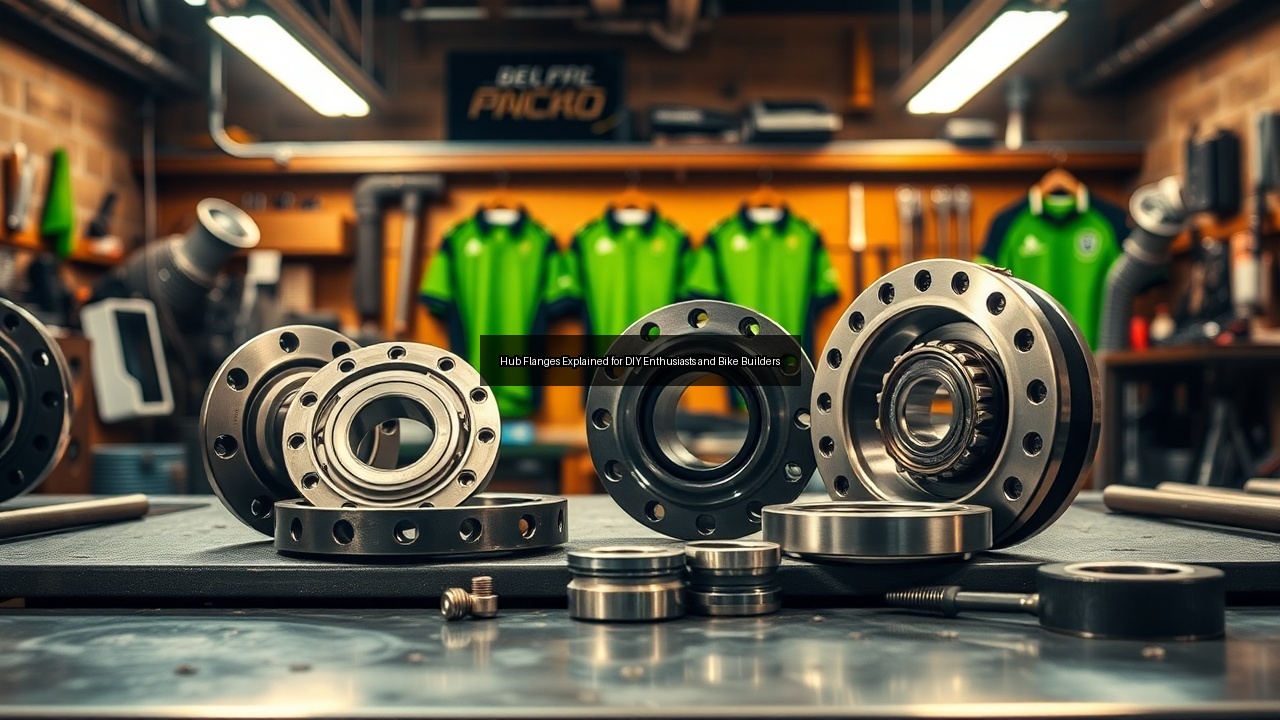
Understanding Hub Flanges and Their Importance
What are Hub Flanges?
Hub flanges form the critical mounting points on a bicycle hub where spokes connect to create a stable wheel structure. These circular extensions sit at each end of the hub body and determine spoke angle, tension distribution, and overall wheel strength. A well-designed hub flange transfers pedaling forces efficiently while resisting lateral loads during cornering. Builders select flange diameter and spoke hole count based on intended use, whether for lightweight racing wheels or durable touring setups. Proper flange geometry prevents spoke fatigue and maintains wheel trueness over thousands of miles. DIY enthusiasts measure flange diameter and offset carefully before lacing to avoid mismatched spoke lengths that lead to weak wheels. High-quality flanges integrate seamlessly with the hub shell, reducing weight without sacrificing rigidity.
The Role of Flanges in Bicycle Wheels
Flanges anchor the spokes that form the tensioned network supporting the rim. They position spokes at optimal angles to handle vertical impacts and torque from braking or acceleration. Flanged hubs create a wider effective bracing angle compared to older straight designs, which improves lateral stiffness and reduces the need for excessive spoke tension. This setup allows lighter rims and fewer spokes while preserving strength. In flange hub assemblies, the geometry directly influences how forces travel from the rider through the wheel to the ground. Builders who understand flange placement achieve wheels that track straight and absorb road vibrations better. Flanges also affect dish, the offset that centers the rim between dropouts on bikes with asymmetric rear spacing.
How Hub Flanges Affect Performance
Hub flange size and positioning alter wheel stiffness, weight distribution, and handling precision. Larger flanges increase the bracing angle for superior power transfer during sprints, while smaller flanges reduce aerodynamic drag in time trials. Performance suffers when flanges sit too close together, creating flexible wheels that flex under load and waste energy. Conversely, oversized flanges add unnecessary rotating mass that slows acceleration. Riders notice immediate differences in steering response and rim stability once flanges are matched to frame geometry and riding style. Proper hub flange choice also minimizes stress on bearings and extends component life under repeated high-torque conditions common in aggressive off-road or criterium racing.
Components of a Hub Flange
Ball Bearings: The Heart of the Hub
Ball bearings sit inside the hub and allow the axle to rotate smoothly under load. Sealed or shielded ball bearing units protect against dirt and moisture while supporting both radial and axial forces from the wheel. Quality ball bearings reduce friction dramatically compared with older cup-and-cone systems, delivering consistent performance across temperature changes and long rides. Builders press or slide these bearings into the hub shell so the flange assembly spins freely without play. Proper bearing preload prevents premature wear and keeps the wheel spinning true after impacts. Many modern hubs use cartridge-style ball bearings that swap quickly during maintenance without special tools.
Flange Ball Bearing vs. Standard Bearings
Flange ball bearing designs incorporate an integral lip that helps locate the bearing axially within the hub shell, simplifying assembly and improving alignment precision. Standard bearings lack this flange and require separate spacers or shoulders to achieve the same positioning. The flange ball bearing option reduces part count and potential error during DIY builds, especially when working with flanged hubs that demand exact centering. Riders upgrading to flange ball bearing units often report quieter operation and longer service intervals because the bearing stays seated better under vibration. Compatibility matters—always verify inner and outer diameters match the hub bore before purchase.
Set Screws: Ensuring Tightness and Stability
Set screws lock components such as lockrings or bearing preload collars in place on the axle. A properly torqued set screw prevents the assembly from loosening during hard riding and maintains correct bearing adjustment. Builders thread set screws into the hub end caps or locknuts after final preload setting. Using thread locker on set screws adds vibration resistance without making future disassembly difficult. Over-tightening damages threads, while under-tightening allows movement that accelerates bearing wear. Regular inspection of set screws during routine checks catches loosening early and avoids wheel damage on long tours.
Choosing the Right Hub Flange for Your Build
Different Types of Flanged Hubs
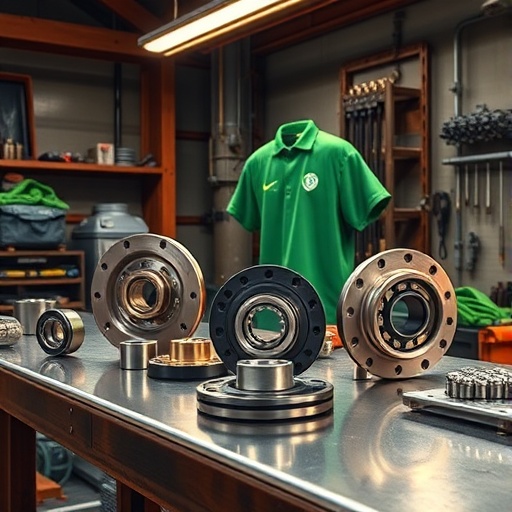
Flanged hubs appear in several configurations including standard road, disc-specific, and high-flange track models. Road hubs typically feature moderate flange diameters suited to 28-32 spoke wheels, while disc hubs move the rotor mount outward and adjust flange spacing for brake forces. High-flange track hubs increase spoke angle dramatically for maximum stiffness in velodrome sprinting. Some builders choose bushing conversions inside flanged hubs for ultra-low maintenance in wet climates. Stock options from major manufacturers cover most needs, yet custom flange drilling allows exact spoke counts for unique wheel builds.
Factors to Consider When Selecting Hub Flanges
Key selection criteria include flange diameter, spoke hole count, axle type, and bearing quality. Larger flanges suit stiff, high-power applications but add weight and may limit rim choice. Builders also evaluate hub width to match frame spacing and brake rotor size for disc setups. Material finish affects corrosion resistance, especially on bikes ridden year-round in variable weather. Budget builders balance cost against durability by choosing mid-range hubs with quality ball bearings rather than the lightest race options. Always confirm flange offset measurements against spoke calculators before ordering parts.
Compatibility with Wheel Designs
Hub flange choice must align with rim diameter, spoke length, and intended tire width. Mismatched flanges produce incorrect spoke angles that weaken the wheel or create excessive dish. Disc brake wheels require hubs with proper rotor mounts and asymmetric flange placement to counteract braking torque. Builders verify compatibility by cross-referencing manufacturer spoke length charts and ensuring the hub axle matches dropout or thru-axle standards. Successful builds start with a clear wheel design goal before selecting any flange hub components.
DIY Installation and Maintenance Tips
Step-by-Step Guide to Installing Hub Flanges
Begin by cleaning the hub shell and verifying bearing seats are free of burrs. Press new ball bearings into place using the correct drift to avoid damaging races. Slide the axle through and adjust preload so the wheel spins freely without side play. Thread set screws into position and apply thread locker before final torque. Lace spokes through the flanges following the chosen pattern, then tension gradually while checking dish and trueness. Finish by centering the wheel in the frame and confirming brake rotor alignment if applicable. This methodical approach yields reliable wheels ready for immediate use.
Common Issues and Troubleshooting
Loose set screws cause bearing play that leads to notching and rough rotation. Remedy by removing the wheel, cleaning threads, and reinstalling with fresh thread locker. Worn ball bearings produce grinding noises and reduced efficiency; replace them promptly with matching sizes. Incorrect flange offset creates uneven spoke tension and persistent wobbles—measure and correct during relacing. Bushing-style conversions sometimes bind if not lubricated properly, so apply grease sparingly during assembly. Regular checks prevent small problems from becoming wheel failures on the road.
Maintaining Bearings for Longevity
Inspect bearings every few thousand miles for smooth rotation and absence of play. Clean external seals and reapply grease through ports on some hubs. Avoid high-pressure washing that forces water past seals into the ball bearing races. Store the bike in moderate temperatures to prevent grease breakdown. When bearings develop notching from impacts, replace the entire cartridge rather than attempting to service sealed units. Consistent maintenance keeps flange hub performance high and extends the life of expensive wheel components.
Hub Flanges in Competitive Cycling
The Importance of Hub Flanges in Professional Cycling
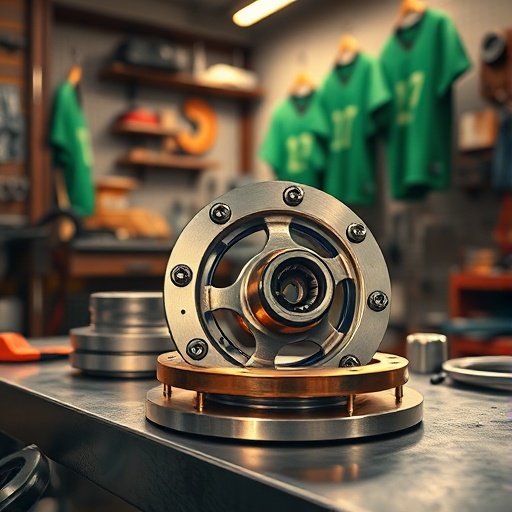
Professional teams select hub flanges for maximum stiffness-to-weight ratio under extreme racing loads. Flanges engineered for disc brakes handle the additional torque from powerful calipers while keeping wheels light for climbing. Teams test multiple flange diameters to optimize sprint power transfer and descending stability. The right flange hub choice contributes to overall bike responsiveness that can separate winners from the peloton on decisive stages.
Case Study: Tom Pidcock and His Choice of Components
Tom Pidcock relies on precisely engineered flange hubs that balance low weight with the durability needed for mixed-terrain World Cup and road events. His mechanics select bearings and set screw adjustments that maintain perfect preload through rough stages. The resulting wheels deliver immediate power response and confident handling when attacking on climbs or navigating technical descents. Pidcock’s setup demonstrates how small flange geometry decisions influence race outcomes at the highest level.
Impact on Performance in Events like Tour de France Femmes
In the Tour de France Femmes, stages through Bordeaux, Pau, and Aurillac test equipment across varied terrain and weather. Riders wearing green jersey contenders’ jerseys demand hubs that stay reliable through repeated accelerations and braking zones. Strong flange designs reduce energy loss and keep wheels true after cobble sections or high-speed corners. Teams carry spare stock wheels built around proven flange hubs to handle mechanicals without losing time. These components directly support the sustained efforts required to contend for overall classification and daily victories in the demanding multi-day format.
See Also
- The Future of Hub Flanges in Sustainable Bicycle Manufacturing
- Flanges and Bearings Unleashed: The Mechanics Behind Smooth Rides
- Why Set Screws and Hub Flanges are Key to Reliable Machinery
- Understanding Flanged Hubs and Their Impact on Wheel Dynamics
- The Role of Hub Flanges in Enhancing Bicycle Performance